
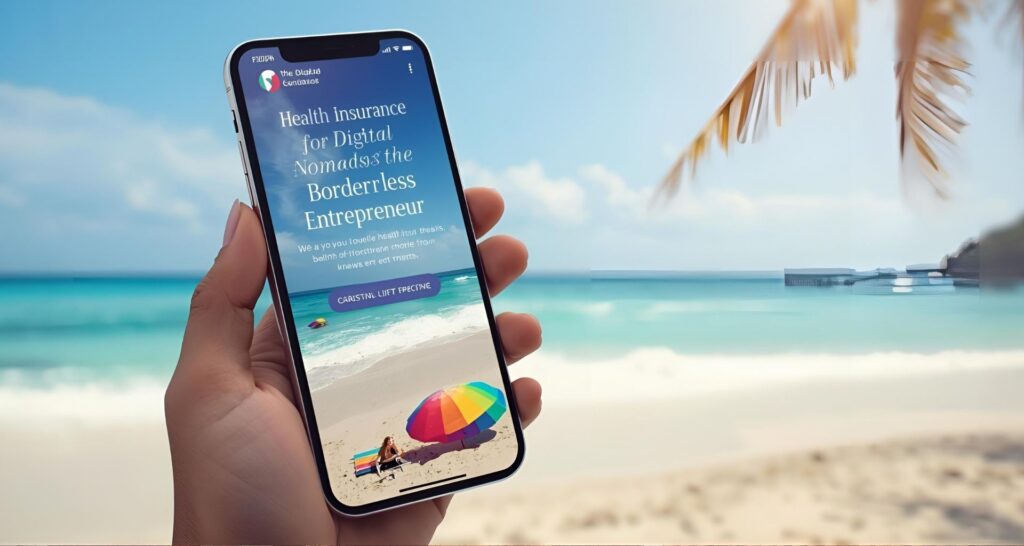
Navigating Global Healthcare as a Digital Nomad
The allure of the digital nomad lifestyle is undeniable: the freedom to work from a beach in Thailand, a mountain retreat in Colombia, or a bustling café in Lisbon. You’ve mastered remote work, built your location-independent income through passive income streams, and cultivated the mindset of a borderless entrepreneur. But as you plan your next adventure, a crucial question often looms large, one that can make or break your peace of mind and your finances: What about health insurance?
For digital nomads and traveling entrepreneurs, healthcare isn’t a “set it and forget it” task. Traditional health insurance models, designed for stationary citizens, simply don’t cut it when you’re constantly on the move. A medical emergency abroad, whether a minor illness, an accident, or a more serious condition, can lead to astronomical out-of-pocket costs, disrupt your business, and force you home prematurely. This isn’t just a financial risk; it’s a risk to your well-being and the sustainability of your nomadic dream.
At https://www.google.com/search?q=CashNomads.com, we understand that true freedom comes with preparedness. This comprehensive guide will unravel the complexities of health insurance for borderless entrepreneurs, helping you understand your options, navigate the nuances, and make informed decisions to protect your most valuable asset: your health. We’ll explore everything from basic travel insurance to robust international health plans, ensuring you have the knowledge to stay safe and covered, wherever your entrepreneurial journey takes you.
Why Traditional Health Insurance Fails the Digital Nomad
Before diving into solutions, it’s vital to understand why your old health insurance likely won’t work for your new lifestyle.
The “Home Country” Trap 🏡
Most national health insurance systems (like the NHS in the UK, Medicare in Australia, or employer-sponsored plans in the US) are designed for residents of that specific country.
- Limited/No International Coverage: These plans often offer extremely limited or no coverage once you leave your home country for extended periods. If they do, it’s typically only for emergencies and might require you to pay upfront and seek reimbursement later.
- Residency Requirements: Maintaining eligibility for national plans often requires you to maintain residency, which can be challenging or impossible if you’re truly nomadic.
- “Traveler” vs. “Resident” Distinction: Insurers differentiate between short-term travelers and those living abroad long-term. Many traditional plans view anything beyond a typical vacation as grounds to deny claims.
The Employer-Provided Illusion 🏢
If you left a traditional job, you likely left behind an employer-sponsored health plan. These plans are almost exclusively tied to your employment and residency in a specific location. As a remote entrepreneur, you are now solely responsible for sourcing your own coverage.
The Cost Factor 💲
Even if a traditional plan could offer some international coverage, the costs for non-residents or those without a stable “home” can be prohibitive, especially if you’re from a country with high healthcare costs like the United States.
Understanding these limitations is the first step toward finding a solution that truly fits the borderless entrepreneur.
Understanding Your Options: A Spectrum of Coverage
For digital nomads, health insurance isn’t a one-size-fits-all product. It’s a spectrum, with different levels of coverage, duration, and cost. Here are the primary categories:
1. Travel Insurance (Short-Term, Emergency Focus) ✈️
What it is: This is the most common and often the first type of insurance nomads consider. Travel insurance is designed for trips of a specific duration (typically up to 6 months, though some extend to a year). Its primary purpose is to cover unexpected medical emergencies, trip cancellations, lost luggage, and other travel-related incidents.
Pros:
- Affordable: Generally the cheapest option, especially for shorter trips.
- Emergency Focus: Covers sudden illnesses or accidents requiring immediate attention.
- Travel Perks: Often includes non-medical benefits like trip interruption, lost baggage, and travel delay.
- Easy to Buy: Simple online application process.
Cons:
- Not for Routine Care: Does not cover routine check-ups, preventative care, pre-existing conditions (unless specifically added), or long-term chronic illness management.
- Limited Duration: Designed for temporary stays; not suitable for permanent expatriates or those spending more than a year abroad.
- “Emergency” Definition: Can be subjective. A prolonged stay due to a non-life-threatening condition might not be fully covered.
- Repatriation Focus: Often geared towards stabilizing you and sending you home for further treatment.
Best For: New digital nomads testing the waters, those on short-term projects (less than 6 months in one region), or individuals who have a primary health plan at home that covers them for very brief international emergencies.
Key Providers: World Nomads, SafetyWing (more on this below), Heymondo.
2. Digital Nomad-Specific Insurance (Hybrid Approach) 🧑💻
What it is: This is a newer category specifically designed for the unique lifestyle of digital nomads and remote workers. These plans often bridge the gap between traditional travel insurance and full-blown international health insurance, offering more flexibility and some unique benefits.
SafetyWing (Nomad Insurance) – A Popular Example:
- Subscription Model: Operates like a monthly subscription, which is ideal for flexible travel. You can stop and start it anytime.
- Home Country Coverage: Offers limited home country coverage (30 days per 3 months of coverage, or 15 days for US citizens) for unexpected visits back.
- Emergency Focus with Some Benefits: Primarily for emergencies, but includes some acute onset of pre-existing conditions, physical therapy, and even travel delay/interruption.
- Affordable: Very competitively priced, especially for non-US citizens.
Pros:
- Flexibility: Monthly subscription, no long-term commitment.
- Home Country Benefit: A huge plus for nomads who return home occasionally.
- Affordable: Excellent value for emergency-focused coverage.
- Designed for Nomads: Understands the nuances of the lifestyle.
Cons:
- Still Emergency Focused: Not a comprehensive international health plan. It has a deductible and out-of-pocket maximum.
- Limited Routine Care: Basic check-ups or preventative care are not typically included.
- Low Coverage Limits: May have lower overall maximums compared to comprehensive plans.
Best For: Most digital nomads who are frequently moving, value flexibility, prioritize emergency care, and want some limited home country coverage.
Key Providers: SafetyWing, Genki.
3. International Health Insurance (Comprehensive, Long-Term) 🩺
What it is: This is the “gold standard” for long-term expatriates, global citizens, and borderless entrepreneurs who plan to live abroad for years or don’t maintain a primary residence in their home country. These plans are designed for comprehensive global coverage, similar to what you’d expect from a robust domestic plan, but with worldwide reach.
Pros:
- Comprehensive Coverage: Covers routine check-ups, preventative care, specialist visits, hospital stays, prescription drugs, mental health, and sometimes dental/vision.
- Worldwide Coverage: Typically covers you in any country (often with an option to exclude the US for lower premiums, due to high US healthcare costs).
- Long-Term Solution: Designed for indefinite stays abroad, not just emergencies.
- High Coverage Limits: Usually offers very high annual or lifetime maximums.
- Direct Billing: Many providers offer direct billing with hospitals and clinics, reducing upfront out-of-pocket payments.
Cons:
- Expensive: Significantly more costly than travel or nomad-specific insurance, especially for US citizens or those choosing worldwide coverage including the US.
- Less Flexible: Often requires annual commitments or longer terms.
- Underwriting: May require medical underwriting, meaning pre-existing conditions could be excluded or increase premiums.
- Complexity: Can be complex to set up, with many options for deductibles, co-pays, and benefit limits.
Best For: Digital nomads establishing semi-permanent roots in a foreign country, those with chronic health conditions, families, or individuals who want absolute peace of mind for all medical needs globally.
Key Providers: Cigna Global, Allianz Care, Bupa Global, GeoBlue.
4. Local Health Insurance (Country-Specific) 🏠
What it is: If you plan to settle in one country for an extended period (e.g., qualifying for a long-stay visa or residency), you may be eligible for, or even required to, purchase local health insurance in that specific country. This could be a private plan from a local insurer or, in some cases, access to the national public healthcare system.
Pros:
- Often Cheaper: Especially in countries with strong public healthcare systems, local private insurance can be very affordable.
- Comprehensive Local Coverage: Designed for the specific healthcare system of that country, making it easy to navigate.
- May Fulfill Visa Requirements: Many long-stay visas require proof of local health insurance.
Cons:
- Limited to One Country: Only covers you within that nation’s borders.
- Residency Dependent: Requires you to establish legal residency, which can be a lengthy process.
- Language Barrier: Policy documents and communication might be in the local language.
- No Global Flexibility: Not suitable if you plan to move frequently between countries.
Best For: Digital nomads who commit to living in one country for a year or more and meet the residency requirements for local coverage.
Key Factors to Consider When Choosing Your Plan 🧐
Navigating the various options can be overwhelming. Here’s a checklist of critical factors a borderless entrepreneur should evaluate:
1. Your Travel Style & Duration ✈️🗓️
- Frequent Mover (every few weeks/months)? Nomad-specific insurance offers flexibility.
- Settling in one country for 6-12+ months? International or local plans might be better.
- Short trips (under 1 month)? Basic travel insurance might suffice.
2. Coverage Area & Exclusions 🗺️
- Worldwide vs. Worldwide Excluding USA: US healthcare costs are significantly higher, so excluding the US can dramatically lower premiums. Decide if you need coverage in your home country (if it’s the US) or if you plan to return for healthcare.
- Specific Country Exclusions: Are there any high-risk countries you plan to visit that might be excluded?
3. Type of Coverage: Emergency vs. Comprehensive 🚑 comprehensive
- Emergencies Only: Are you comfortable with a plan that only covers sudden illness/injury and potentially repatriates you? (Travel/Nomad-specific)
- Routine Care: Do you need coverage for annual check-ups, dental, vision, prescriptions, and specialist visits? (International Health Insurance)
- Pre-existing Conditions: This is crucial. If you have any ongoing health issues, you MUST disclose them. Many plans exclude them or charge extra. Look for specific riders or policies that cover acute onset of pre-existing conditions.
4. Deductibles, Co-pays, and Out-of-Pocket Maximums 💲📉
- Deductible: The amount you pay out-of-pocket before your insurance starts paying. Higher deductibles mean lower premiums.
- Co-pay: A fixed amount you pay for a medical service (e.g., $20 for a doctor’s visit) after your deductible is met.
- Out-of-Pocket Maximum: The most you’ll have to pay for covered services in a policy period. Once you hit this, the insurer pays 100%.
Understand these figures to manage your potential financial exposure.
5. Policy Limits & Benefits 📈
- Overall Maximum: The total amount the policy will pay out. Ensure it’s high enough for major emergencies.
- Specific Benefit Limits: Check limits for emergency evacuation, mental health, physical therapy, alternative treatments, etc.
- Repatriation: Does the policy cover the cost of getting you home if you’re too ill to travel commercially?
6. Claims Process & Customer Service 📞
- Direct Billing: Can the insurer directly pay hospitals/clinics, or will you always have to pay upfront and seek reimbursement? Direct billing is a huge convenience.
- 24/7 Support: Is there a reliable 24/7 emergency hotline, ideally with multilingual support?
- Ease of Claims: Read reviews about the claims process. Slow or difficult claims can add stress.
7. Budget 💰
Naturally, cost is a major factor. Be prepared to pay for comprehensive coverage. Weigh the cost of premiums against your potential out-of-pocket expenses and the peace of mind. Remember, saving a few dollars on premiums isn’t worth risking financial ruin in a medical emergency.
Special Considerations for Borderless Entrepreneurs
Your unique status as a remote entrepreneur adds a few more layers of complexity.
1. Legal Residency vs. Tax Residency vs. Travel 🛂🗺️
Your insurance choice might be influenced by your legal residency (where you have a visa or citizenship), your tax residency (where you pay taxes), and where you physically spend most of your time. These can all be different.
- Visa Requirements: Many long-stay visas require a specific type and amount of health insurance. Ensure your chosen policy meets these criteria.
- Tax Deductions: In some jurisdictions, health insurance premiums may be tax-deductible for self-employed individuals. Consult your tax advisor.
2. Business Travel & Liability 💼
If your “nomadic travel” also involves business meetings or client visits, ensure your policy doesn’t have exclusions for business-related injuries or incidents.
3. Mental Health Support 🧠
The nomadic lifestyle can be incredibly rewarding but also challenging, leading to stress, loneliness, or burnout. Check if your policy offers robust mental health support, including therapy or counseling coverage, both in-person and remotely.
4. Digital Health & Telemedicine 🧑💻
As a digital-first individual, you’ll appreciate providers that offer telemedicine options. Consulting a doctor virtually can be incredibly convenient, especially when in a remote location or for minor ailments, potentially saving you a trip to a clinic.
5. Acute Onset of Pre-Existing Conditions ⚠️
If you have a chronic condition, many travel or nomad-specific insurances will cover an “acute onset” – a sudden, unexpected flare-up of a pre-existing condition that requires immediate treatment. However, they typically won’t cover maintenance or expected treatment. Comprehensive international plans offer more robust (though usually more expensive) solutions for pre-existing conditions. Always read the fine print.
Practical Steps to Secure Your Health Coverage
Here’s a step-by-step approach to getting the right health insurance for your nomadic journey:
- Assess Your Needs: Be honest about your health status, travel plans, and budget. Do you need basic emergency coverage or comprehensive care?
- Research Providers: Look into the reputable companies mentioned above (World Nomads, SafetyWing, Cigna Global, Allianz Care, etc.). Read reviews specific to digital nomads and global citizens.
- Get Multiple Quotes: Don’t settle for the first quote. Compare policies side-by-side, paying close attention to deductibles, limits, exclusions, and what’s covered.
- Read the Fine Print: Insurance policies are dense, but understanding what you’re buying (and what you’re not buying) is paramount. Pay special attention to sections on pre-existing conditions, specific country exclusions, and the claims process.
- Understand the Claims Process: Know exactly what to do if an emergency arises: who to call, what documents you need, and the typical reimbursement timeline.
- Regularly Review: Your needs will change as your nomadic life evolves. Review your policy annually or whenever your travel patterns significantly shift.
Conclusion: Your Health, Your Freedom
As a borderless entrepreneur, your freedom to explore the world and build your location-independent income is a profound privilege. Protecting your health is not merely an expense; it’s an investment in that freedom. A medical crisis can derail your dreams faster than any business setback, and without adequate health insurance for digital nomads, you could face financial devastation.
By understanding the unique challenges of global healthcare and carefully selecting the right insurance plan – whether it’s flexible nomad-specific coverage, comprehensive international health insurance, or a targeted local plan – you empower yourself to live with confidence. You ensure that no matter where your entrepreneurial spirit leads you, you’re prepared for the unexpected, allowing you to focus on what truly matters: growing your business, experiencing new cultures, and living your most adventurous life.
| Provider | Policy Focus | The Best Search Term to Find the Policy Page |
|---|---|---|
| SafetyWing | Medical/Travel Insurance | SafetyWing Nomad Insurance official site |
| World Nomads | Adventure/Travel Medical | World Nomads travel insurance official site |
| Cigna Global | Long-Term Health Insurance | Cigna Global Health Options official site |
| GeoBlue | Expat Health Insurance | GeoBlue Xplorer insurance official site |
| Allianz Care | International Health | Allianz Care international health plans |
| InsureMyEquipment | Tech/Gadget Insurance | InsureMyEquipment digital nomad |